Energy direction
Reserved
Starts inward, processes privately, and protects bandwidth before the room gets a vote.
Night effect: Late processing and overexposure can stay active after the day is over.

Meaning family · RAVF
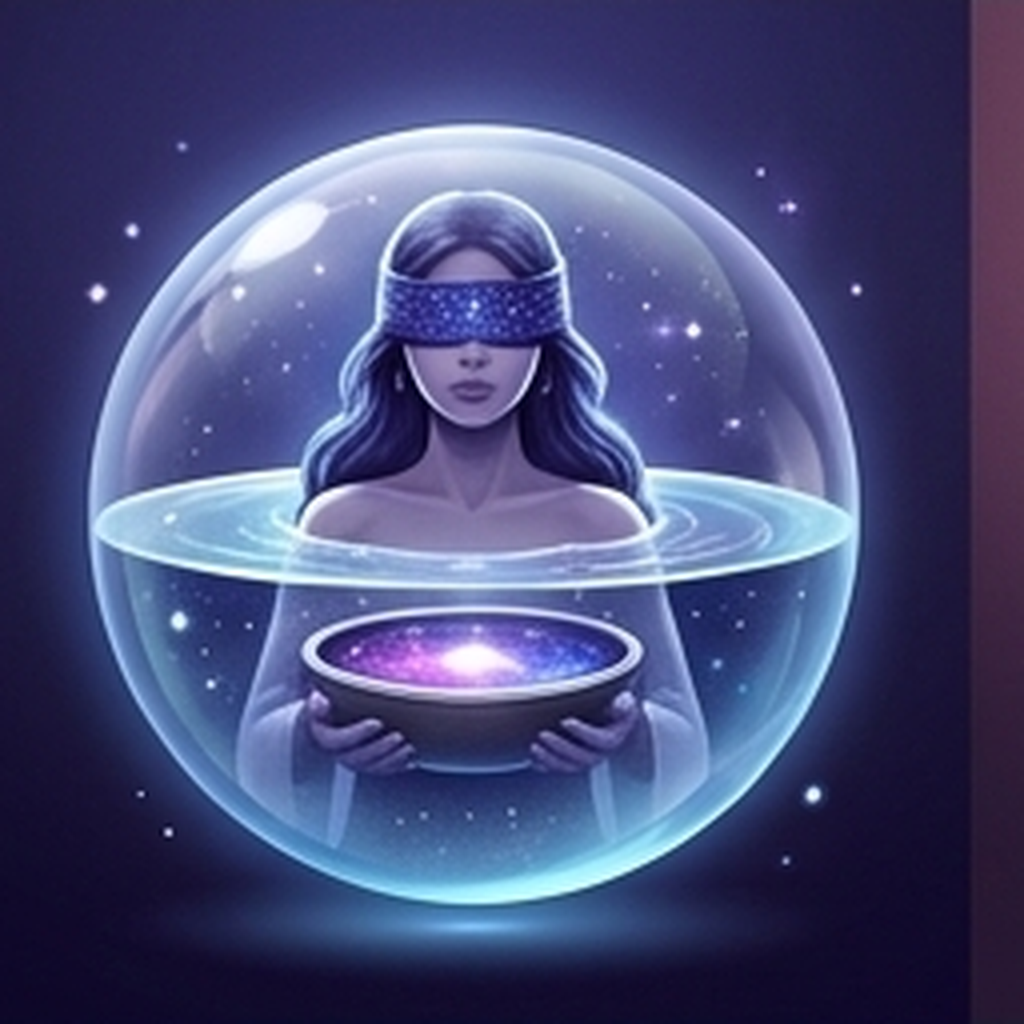
An authenticity-led pattern that feels life from the inside out and hates false fit. Idealists notice emotional truth, implication, and inner fit early. They usually want work, love, and daily life to feel real rather than merely efficient or impressive.
Why this type makes sense
Idealist combines reserved energy, abstract attention, values-led judgment, and fluid structure. Put together, that usually creates a very specific pressure style, sleep friction, and way of moving through work and relationships.
Energy direction
Starts inward, processes privately, and protects bandwidth before the room gets a vote.
Night effect: Late processing and overexposure can stay active after the day is over.
Attention style
Starts with pattern, implication, and the bigger meaning behind what is happening.
Night effect: Meaning, subtext, and alternate readings can keep reopening loops.
Decision lens
Steadies decisions through meaning, fit, human cost, and what feels livable.
Night effect: The emotional weight of a choice can stay alive long after the event ends.
Structure style
Settles through adaptation, a looser taper, and room to respond to what is still changing.
Night effect: Too many open tabs can keep the body tired while the mind stays busy.
In plain terms
An authenticity-led pattern that feels life from the inside out and hates false fit.
Family: Meaning. Code: RAVF. Report path: Deep Read.
Full profile
This is the fuller version: how the type works, where it shines, and what it looks like under pressure.
The pattern
Idealists tend to organize life around inner truth. They are usually less interested in fitting a script than in feeling that what they are doing is real. They notice beauty, falseness, emotional mismatch, and the subtle ways people betray themselves to keep life tidy.
In ordinary life they may be the person who can tolerate inconvenience if the thing feels meaningful, but cannot tolerate a perfectly efficient setup that feels dead inside. They often have a strong private standard for sincerity. That does not always make them loud about their values. In fact, many Idealists are fairly guarded.
But they usually know when something important feels off, and that inner signal matters more to them than group approval.
At your best
At their best, Idealists bring moral depth, imagination, originality, and emotional precision. They are often good at art, language, design, counseling, storytelling, and any work that requires feeling something accurately rather than performing a generic version of it.
They can make other people feel more human because they take the interior life seriously. They also tend to hold on to what matters when a group is becoming cynical. That can make them quietly brave. They are often willing to protect a value, a person, or a small truth even when it is socially cheaper to shrug.
Under pressure
Under pressure, Idealists can become withdrawn, disappointed, and overly protective of the inner life. They may retreat into fantasy, longing, memory, or private judgment because the world feels too coarse or too fake.
Since they care so much about authenticity, compromise can start to feel like self-betrayal even when it is just ordinary adulthood. They may also go silent instead of clarifying what hurts. Other people then experience the aftermath without seeing the cause. The Idealist is often not trying to be difficult.
They are trying to keep something intact that they do not quite trust other people to handle well.
Life with other people
In relationships, Idealists usually want emotional sincerity, depth, and a sense of being known without being flattened. They dislike pressure to perform a role, casual insensitivity, and environments where feelings are treated as either embarrassing or all that matter.
Their care often comes through attentiveness, carefully chosen words, beauty, gentleness, and loyalty to the deeper meaning of the bond. At work, they need at least some connection to purpose. They can do practical things, but they usually do them better when the work feels connected to something they respect.
They struggle when a setting asks them to become emotionally numb just to function.
Night, dreams, and day-to-day shifts
These sections cover what usually shifts at night, under strain, and across different kinds of days.
Day to day
When Disposition leans more Outward, the Idealist can become surprisingly expressive and persuasive. When it leans more Methodical, they gain endurance and are more likely to finish what they imagine. Under overload they often pull back, reduce exposure, and try to restore inner order before re-entering.
Dream life
Idealists often dream in emotionally loaded houses, reunions, landscapes that feel beautiful and sad at the same time, lost objects, impossible romances, or scenes where something precious is present but difficult to keep. The dream question is usually not just what happened. It is what was true there, and why that truth hurts to lose.
What helps
Idealists usually do best with relationships that allow depth without invasion, work that leaves some room for meaning, and enough solitude to hear their own signal clearly. What helps most is learning that not every compromise is corruption. Sometimes adaptation is what lets the deeper value survive.
Quick reference
If you already know this type is close, these are the details most people want to check quickly.
What energizes you
Authenticity, beauty with meaning, emotional honesty, and enough space to stay aligned with what feels true.
What drains you
Inauthentic demands, emotional mismatch, pressure to perform a false version of yourself, and overexposure.
At your best
Warm, discerning, imaginative, and able to bring emotional truth into language without flattening it.
Under pressure
Emotionally unfinished narratives, sensitivity turning into avoidance, and carrying feelings that never got a safe place to land.
Sleep signature
Night risk: emotionally unfinished narratives. The story keeps trying to resolve itself after the lights are off.
Dream signature
Dreams often feature longing, alternate lives, old relationships, symbolic repair, and emotionally charged scenes that feel half-memory, half-possibility.
Morning-after pattern
After a thin night, you often wake tender first and need gentleness before the day can become usable.
Relationship style
You usually want depth, sincerity, and a sense that the relationship is becoming more real rather than more performative.
Focus / work style
You do best when your values are not being split from your output and when the work feels human enough to care about deeply.
Best wind-down ritual
Best wind-down ritual: symbolic processing. Journal, voice note, or put the emotion into words before sleep has to keep carrying it.
Best wake-up ritual
Best wake-up ritual: soft entry, one orienting note, and a morning that does not demand instant hardness.
Disposition drift
When today’s Disposition leans more Methodical, you protect your energy better. When it leans more Outward or Fluid, you may stay emotionally open longer than is kind to your sleep.
Recommended Focus Areas
If this type feels close, these are the first Focus Areas worth trying.
Give emotional and symbolic material a container before bed.
Create a low-stimulation off-ramp so subtler feelings can settle.
Save the spark without feeding it for another hour.
Go deeper
A one-time read on the phase you are in now, what keeps repeating, and what tonight should do differently.
What this phase is doing to you
Nearby types
These types are one letter away. They help show what changes when one part of the combination flips.

RALF · Systems
Curious, precise, model-building, coherence-oriented.
Shift: Same base shape, but the decision lens flips toward logical.
RAVM · Meaning
Quiet, perceptive, pattern-reading, motive and subtext aware.
Shift: Same base shape, but the structure style flips toward methodical.

OAVF · Meaning
Possibility-seeing, inspired, future-facing, connection-making.
Shift: Same base shape, but the energy direction flips toward outward.

RGVF · Presence
Sensitive, original, atmosphere and body-fit driven, aesthetic.
Shift: Same base shape, but the attention style flips toward grounded.
Keep exploring
If this feels familiar, these are the best next pages to read.