Reserved
Reserved
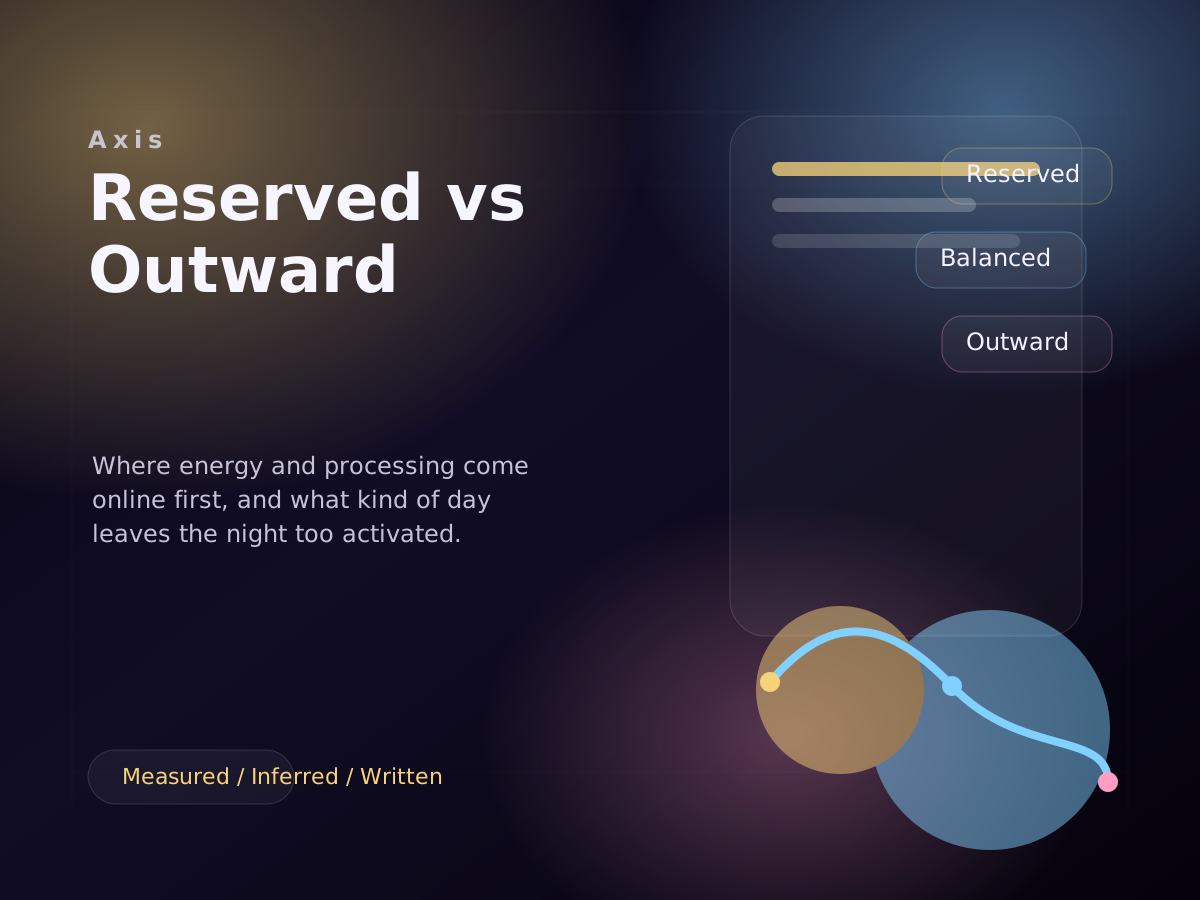
Reserved people usually come online inwardly before the room gets a vote. They process privately, listen carefully, and often know what they really think after the conversation is over.
Night effect: Unsaid things, late processing, and too much exposure without enough recovery can keep the mind replaying the day once it gets quiet.
How Dreamline uses it: Dreamline uses this axis to notice whether your hardest nights follow social overexposure, delayed processing, or not enough decompression.
Balanced
Balanced
Balanced here means range. You can engage when the moment needs it and step back when you need recovery, but you may notice the cost of adapting later than other people do.
Night effect: You usually sleep best when the day had both contact and breathing room. Too much of either can stay active at night.
How Dreamline uses it: Dreamline uses this axis to show when your best nights follow a better mix rather than a more extreme swing in either direction.
Outward
Outward
Outward people often find focus through engagement. Talking helps them think, movement helps them feel real, and a live room can sharpen rather than drain them.
Night effect: Social momentum, unfinished messages, faces, and stimulation can carry straight into the body at night if the day never had a true off-ramp.
How Dreamline uses it: Dreamline uses this axis to flag when late stimulation or overexposure is the real reason the night stayed lit.