
Method
Archetype vs Disposition vs Chronotype
The simplest way to understand what stays steady, what changes day to day, and what is mostly about timing.
- Plain-English guide
- Related pages linked
- No filler
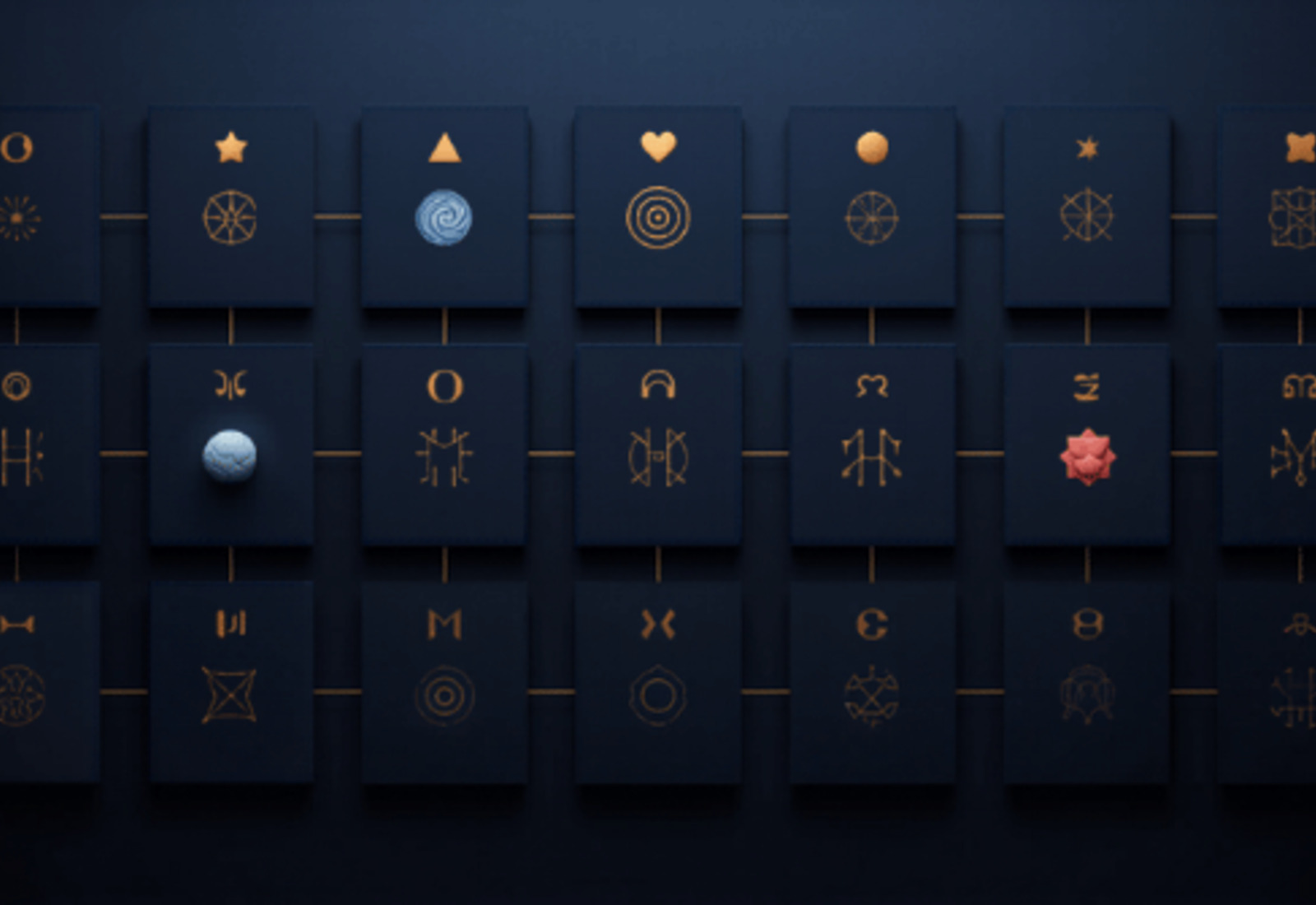
Three different things
Archetype is your steadier pattern. It is about how you tend to move through the world over time, not how you felt on one random Tuesday.
Disposition is the day-to-day shift. It tracks how that baseline is showing up under current conditions such as stress, recovery, social load, or a run of poor sleep.
Chronotype is timing. It is the part of the model that helps Dreamline think about when your system tends to come online, warm up, or drag.
Why Dreamline separates them
A lot of self-knowledge products roll identity, mood, and timing into one label. That sounds tidy, but it leaves out too much.
Dreamline keeps them separate because your steadier pattern, your current state, and your timing do not always move together.
What that means in practice
On the site, Archetype is the easiest place to start because it gives you a clear first read. In the app, Disposition matters more because it changes with real life.
Chronotype stays in the background until the explanation is clear enough that people can see what Dreamline is doing and what it is not claiming.
Keep going
Take the next step that feels useful.
Take the quiz if you want a starting point. Browse the types if you want to read first. Look at the reports if you want the longer version.